
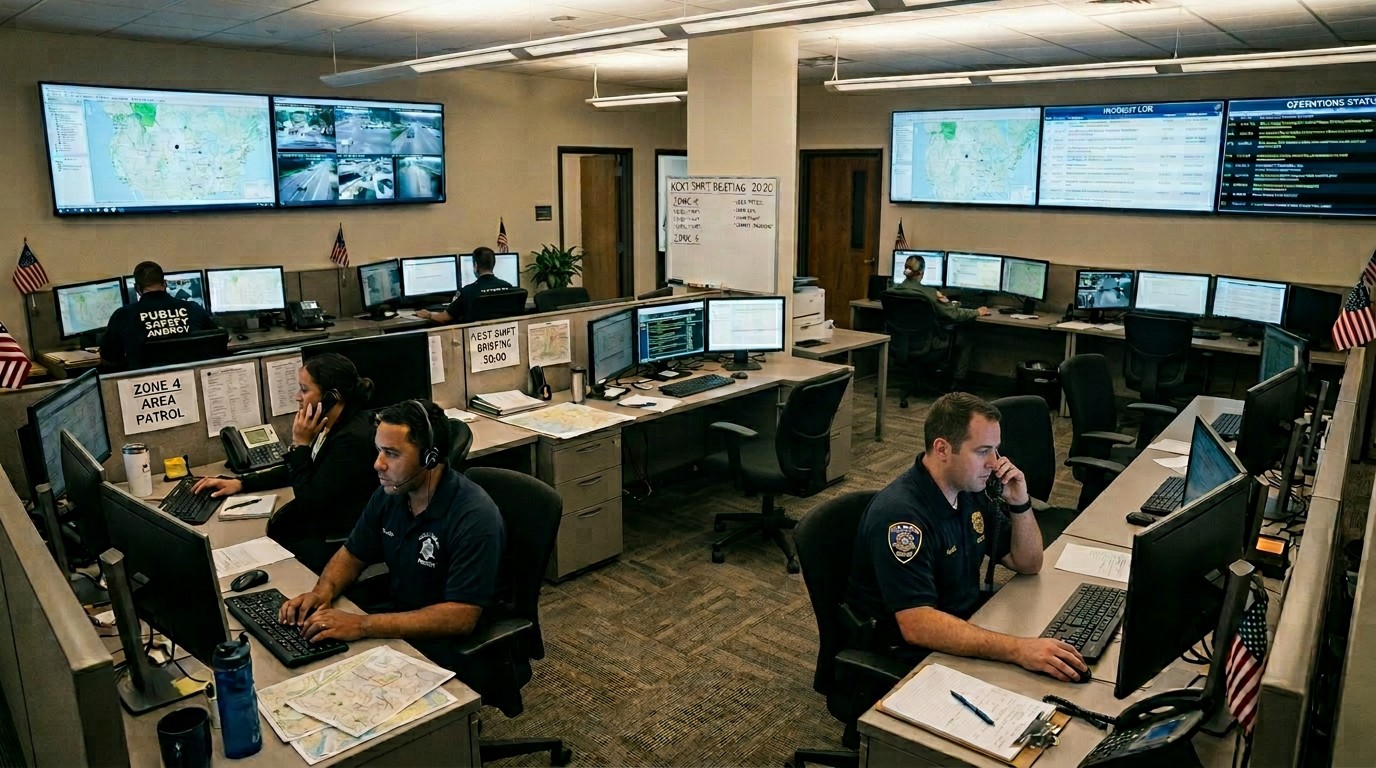
Documentation & Accountability
For missions where incident records, evidence practices, and post-response reporting have to explain what happened, what was seen, and why decisions were made.


[ PUBLIC SAFETY ]
Built for the realities of public safety operations
Echo Two helps public safety agencies build drone operations that are accountable in the field, defensible in the boardroom, and trusted by the communities they serve.
When the operating environment changes what matters
Public safety drone programs operate in a high-trust environment. They have to work in the field, hold up under review, and be explainable to command staff, city leadership, procurement, legal reviewers, and the public.
Across the operating model, the public safety context changes what matters. Dispatch coordination becomes central to the workflow, evidence handling becomes a governance requirement, and reporting has to serve administrators and councils, not just pilots.
[ DRONE AS FIRST RESPONDER ]
DFR is one of the clearest examples of why public safety agencies need more than aircraft.
Most gaps in DFR programs surface not at the aircraft level but in the assumptions underneath it. Echo Two helps agencies pressure-test the operating model before it matters:
Are launch criteria clear and documented?
What happens when equipment fails, conditions change, or the mission goes off-script?
Does the program know what must be reported, when, and to whom?
Identifying those failure points before launch is faster and less costly than discovering them during an incident. Echo Two helps agencies close those gaps before they become operational failures.
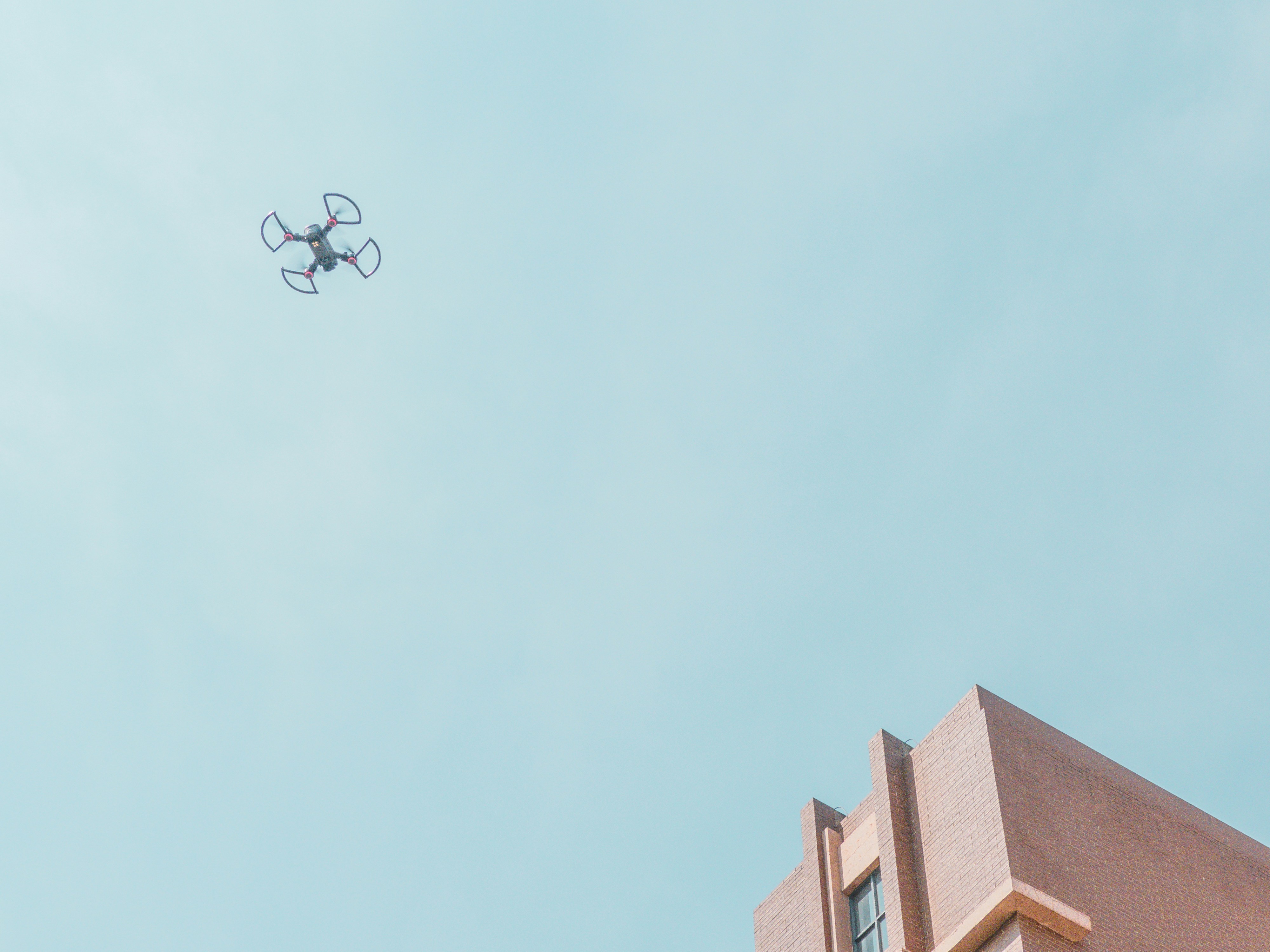
[ PUBLIC SAFETY MISSION AREAS ]
The operating requirements vary by mission. The need for a credible program does not.
For missions where incident records, evidence practices, and post-response reporting have to explain what happened, what was seen, and why decisions were made.
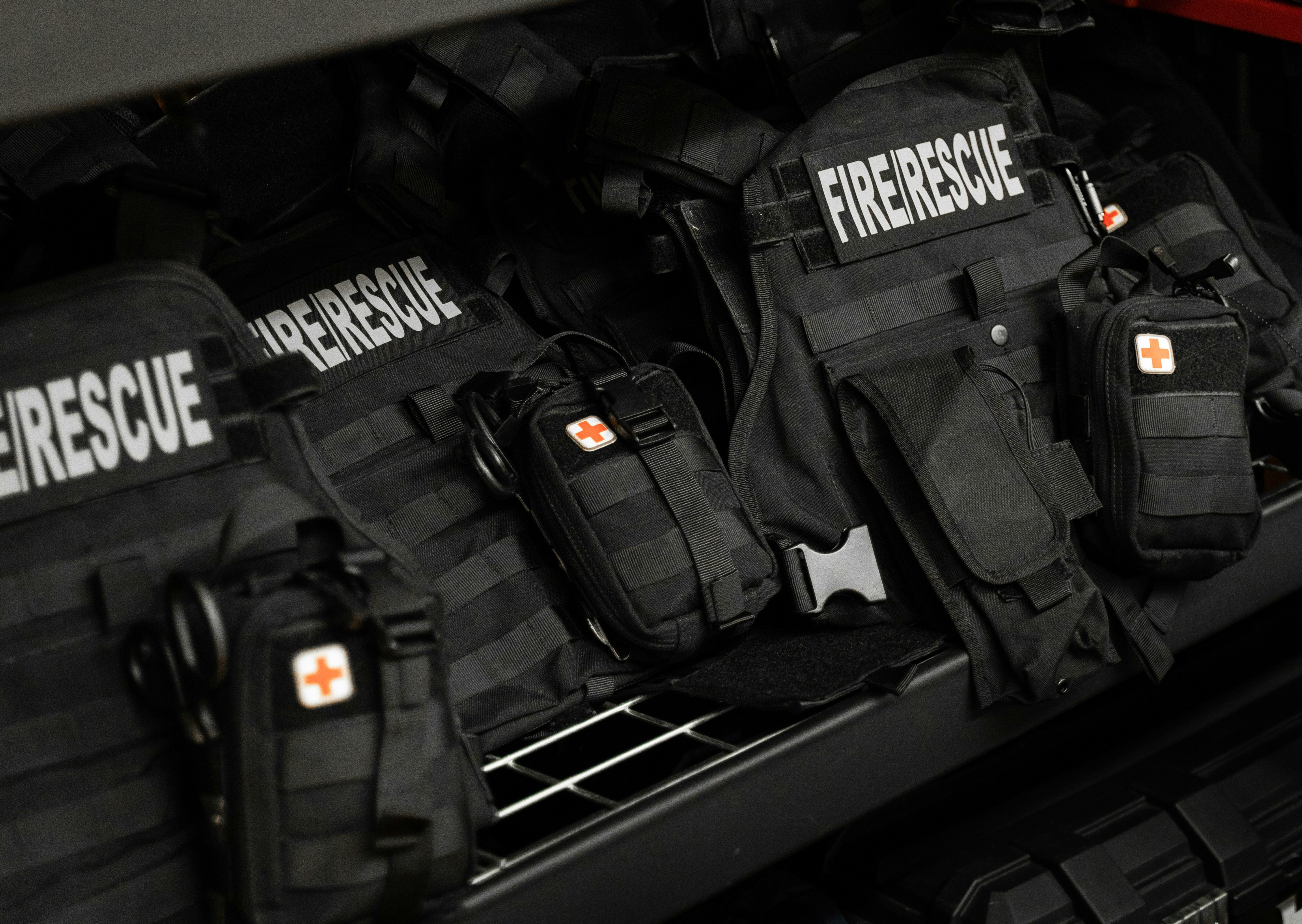
For operations where aerial visibility, role clarity, and coordination determine whether teams search the right areas, move safely, and document what changed under field conditions.
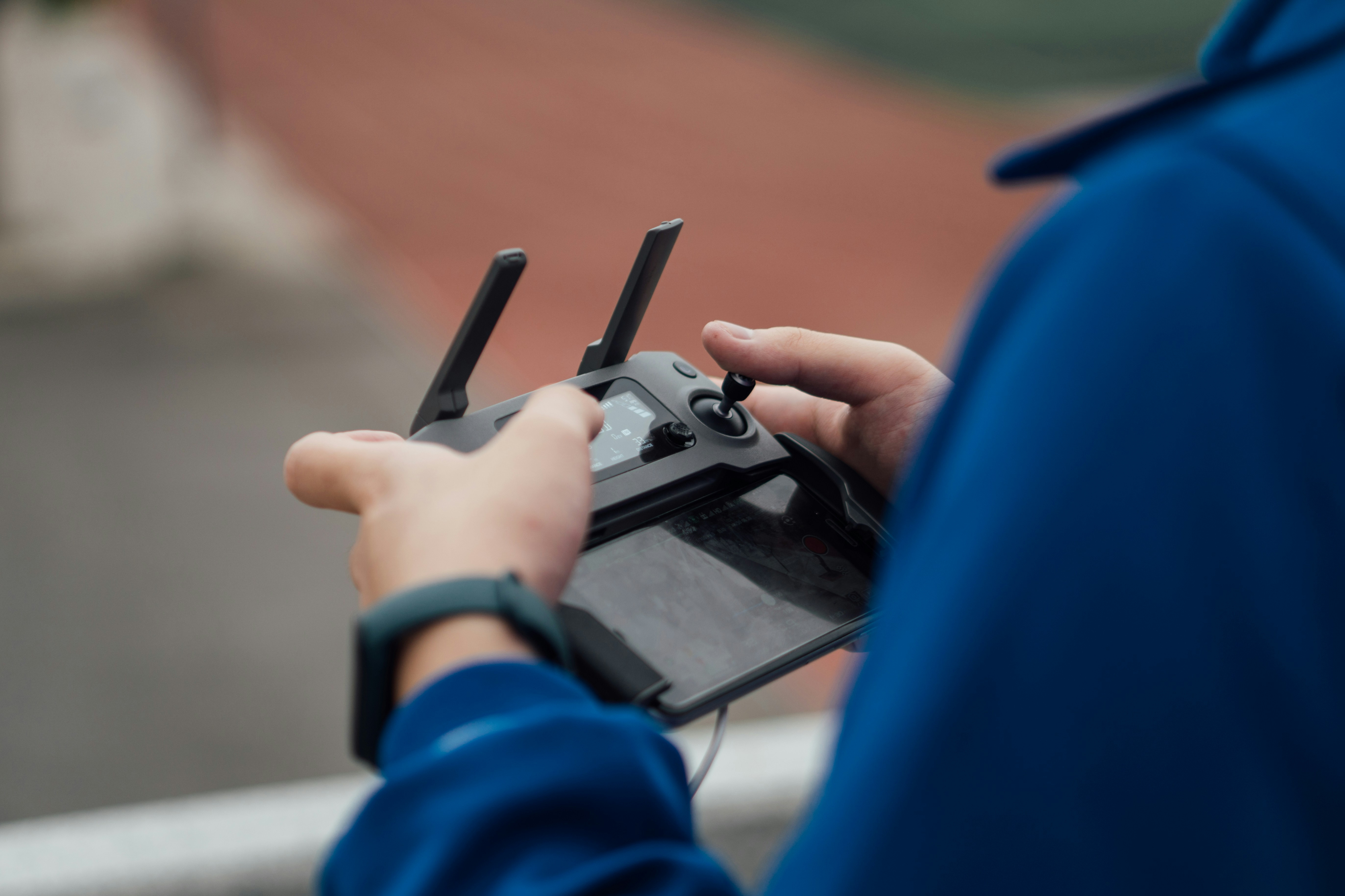
For agencies evaluating DFR capability before launch criteria, dispatch roles, privacy boundaries, reporting duties, and failure procedures are tested in public view.

For agencies that need early scene information turned into decisions about response, staging, escalation, and resource allocation before the incident picture is complete.
[ WHAT A CREDIBLE PROGRAM REQUIRES ]
A public safety drone program that holds up under scrutiny is:
Built for accountability, not just compliance.
Echo Two works with agencies to build the operating model, governance, training, and documentation that make drone-enabled operations accountable from the start. The point is to find the weak assumptions before they become field failures, audit problems, or public-trust issues. That may begin with a readiness assessment, continue through a program design sprint, or move into launch and training support depending on program maturity.
How We Work
Start with a readiness conversation
Whether your agency is evaluating its first drone-enabled capability, improving an existing program, or preparing for DFR operations, Echo Two will help you identify the next responsible step.
Start a Conversation
[ PUBLIC SAFETY ]
Built for the realities of public safety operations
Echo Two helps public safety agencies build drone operations that are accountable in the field, defensible in the boardroom, and trusted by the communities they serve.
When the operating environment changes what matters
Public safety drone programs operate in a high-trust environment. They have to work in the field, hold up under review, and be explainable to command staff, city leadership, procurement, legal reviewers, and the public.
Across the operating model, the public safety context changes what matters. Dispatch coordination becomes central to the workflow, evidence handling becomes a governance requirement, and reporting has to serve administrators and councils, not just pilots.
[ DRONE AS FIRST RESPONDER ]
DFR is one of the clearest examples of why public safety agencies need more than aircraft.
Most gaps in DFR programs surface not at the aircraft level but in the assumptions underneath it. Echo Two helps agencies pressure-test the operating model before it matters:
Are launch criteria clear and documented?
What happens when equipment fails, conditions change, or the mission goes off-script?
Does the program know what must be reported, when, and to whom?
Identifying those failure points before launch is faster and less costly than discovering them during an incident. Echo Two helps agencies close those gaps before they become operational failures.
[ PUBLIC SAFETY MISSION AREAS ]
The operating requirements vary by mission. The need for a credible program does not.
For missions where incident records, evidence practices, and post-response reporting have to explain what happened, what was seen, and why decisions were made.
For operations where aerial visibility, role clarity, and coordination determine whether teams search the right areas, move safely, and document what changed under field conditions.
For agencies evaluating DFR capability before launch criteria, dispatch roles, privacy boundaries, reporting duties, and failure procedures are tested in public view.
For agencies that need early scene information turned into decisions about response, staging, escalation, and resource allocation before the incident picture is complete.
[ WHAT A CREDIBLE PROGRAM REQUIRES ]
A public safety drone program that holds up under scrutiny is:
Built for accountability, not just compliance.
Echo Two works with agencies to build the operating model, governance, training, and documentation that make drone-enabled operations accountable from the start. The point is to find the weak assumptions before they become field failures, audit problems, or public-trust issues. That may begin with a readiness assessment, continue through a program design sprint, or move into launch and training support depending on program maturity.
How We Work
Start with a readiness conversation
Whether your agency is evaluating its first drone-enabled capability, improving an existing program, or preparing for DFR operations, Echo Two will help you identify the next responsible step.
Start a Conversation
[ PUBLIC SAFETY ]
Built for the realities of public safety operations
Echo Two helps public safety agencies build drone operations that are accountable in the field, defensible in the boardroom, and trusted by the communities they serve.
When the operating environment changes what matters
Public safety drone programs operate in a high-trust environment. They have to work in the field, hold up under review, and be explainable to command staff, city leadership, procurement, legal reviewers, and the public.
Across the operating model, the public safety context changes what matters. Dispatch coordination becomes central to the workflow, evidence handling becomes a governance requirement, and reporting has to serve administrators and councils, not just pilots.
[ DRONE AS FIRST RESPONDER ]
DFR is one of the clearest examples of why public safety agencies need more than aircraft.
Most gaps in DFR programs surface not at the aircraft level but in the assumptions underneath it. Echo Two helps agencies pressure-test the operating model before it matters:
Are launch criteria clear and documented?
What happens when equipment fails, conditions change, or the mission goes off-script?
Does the program know what must be reported, when, and to whom?
Identifying those failure points before launch is faster and less costly than discovering them during an incident. Echo Two helps agencies close those gaps before they become operational failures.
[ PUBLIC SAFETY MISSION AREAS ]
The operating requirements vary by mission. The need for a credible program does not.
For agencies that need early scene information turned into decisions about response, staging, escalation, and resource allocation before the incident picture is complete.
For operations where aerial visibility, role clarity, and coordination determine whether teams search the right areas, move safely, and document what changed under field conditions.
For missions where incident records, evidence practices, and post-response reporting have to explain what happened, what was seen, and why decisions were made.
For agencies evaluating DFR capability before launch criteria, dispatch roles, privacy boundaries, reporting duties, and failure procedures are tested in public view.
[ WHAT A CREDIBLE PROGRAM REQUIRES ]
A public safety drone program that holds up under scrutiny is:
Built for accountability, not just compliance.
Echo Two works with agencies to build the operating model, governance, training, and documentation that make drone-enabled operations accountable from the start. The point is to find the weak assumptions before they become field failures, audit problems, or public-trust issues. That may begin with a readiness assessment, continue through a program design sprint, or move into launch and training support depending on program maturity.
How We Work
Start with a readiness conversation
Whether your agency is evaluating its first drone-enabled capability, improving an existing program, or preparing for DFR operations, Echo Two will help you identify the next responsible step.
Start a Conversation