

Echo Two Home

[ HOW WE WORK ]

The work behind the aircraft

Echo Two helps organizations build drone-enabled operations from the inside out, starting with mission requirements, not hardware.

We begin every engagement with the mission first. That means mapping workflows, governance, training needs, compliance requirements, and data practices before any technology decisions are made. That work turns policy, training, workflows, reporting, and review into a living operating system rather than a static binder.

Aerial view of a cyclist and two pedestrians on an X-shaped path junction

Our role is to help agencies and operators build systems they can use, explain, audit, and improve.

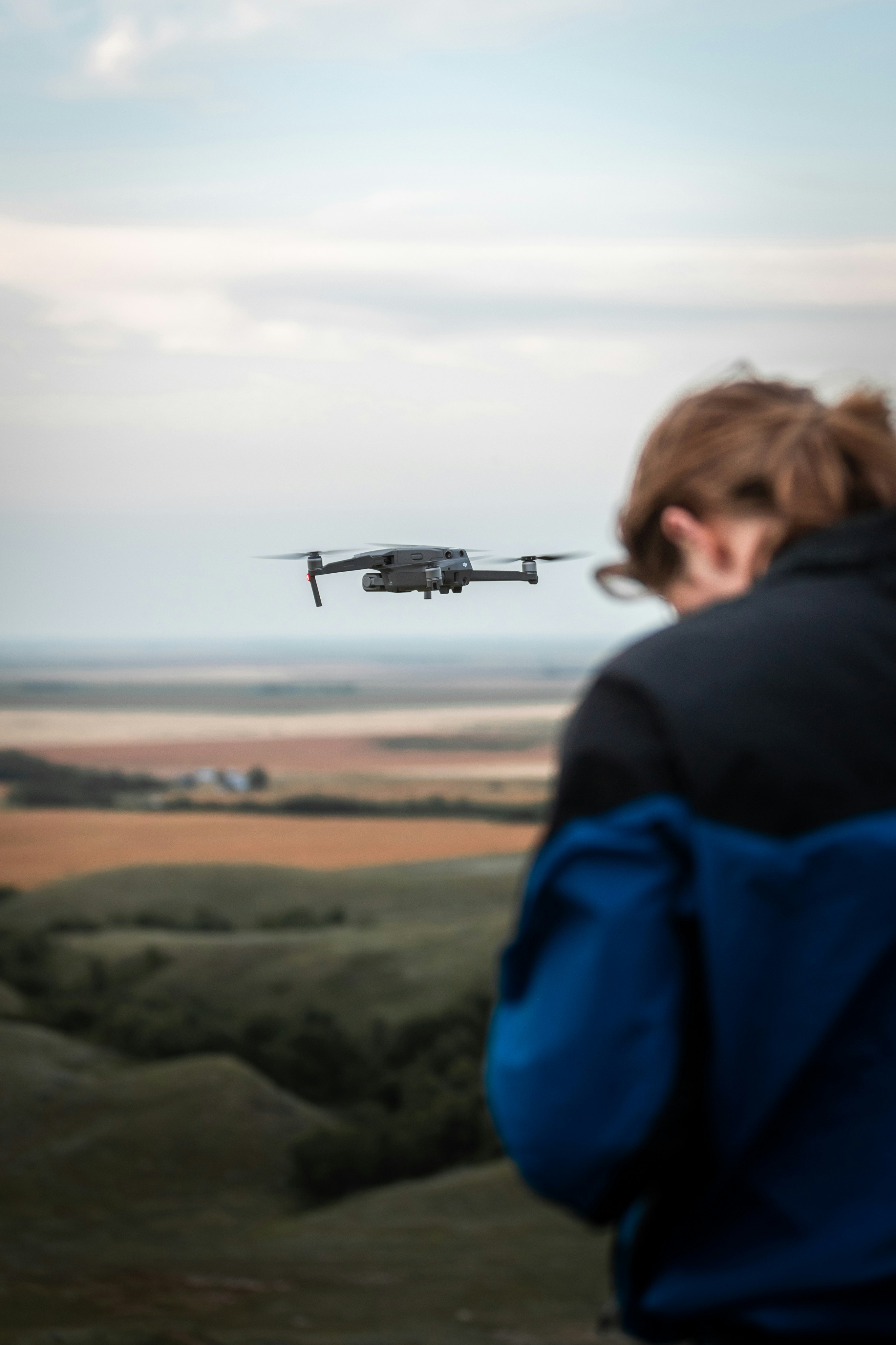
Woman looking up at a hovering drone with open farmland in the background
Aerial view of a cyclist and two pedestrians on an X-shaped path junction

Our role is to help agencies and operators build systems they can use, explain, audit, and improve.

One operating model. Four layers.

Every engagement touches all four layers, because a gap in any one of them is where programs break down.

Technology & Integration

We assess and integrate aircraft, sensors, and mission systems against actual operational requirements so technology decisions are made in context, not in a catalog.

Governance

We build governance into the program design from the start, including policies, approvals, privacy rules, evidence practices, and audit-ready documentation that are operational from day one.

Workflows

We design the staffing models, launch procedures, dispatch coordination, and training rhythms that make operations repeatable and document them so the program does not depend on any one person.

Intelligence

We design data collection, reporting, and decision-support workflows so mission data is useful to supervisors and administrators, not just pilots.

Engagement paths

Most organizations don’t need to start big. Echo Two engagements are designed to begin with a clear, bounded step that shows value before committing to a full program buildout.

Each engagement follows the same arc of understanding the mission, designing the operating model, building the program structure, and supporting responsible implementation.

  • [ PATH 1 – ASSESS ]
    Readiness Assessment

    Typical duration: ~3 weeks

    A focused diagnostic that gives organizations a clear picture of where they stand and what needs to happen before they move forward. We assess the current state across mission, policy, workflows, training, and operational risk in order to identify what is ready, what is missing, and what should happen next.

    Signature outputs:

    • Current-state assessment
    • Readiness findings
    • Recommended next steps
  • [ PATH 2 – ARCHITECT ]
    Program Design Sprint

    Typical duration: ~4–6 weeks

    A design sprint for organizations ready to define the operating model, including the workflows, governance, staffing, and training their program actually requires. We translate mission needs into the structures and documentation the operation requires before implementation begins.

    Signature outputs:

    • Operating model
    • Governance framework
    • Program roadmap
  • [ PATH 3 – ACTIVATE ]
    Launch & Training Support

    Typical duration: 8-16 weeks, scoped to program size and mission complexity

    The engagement for organizations ready to launch, expand, or mature an existing program. We cover implementation, training, and launch readiness, then build in the review structures and pre-launch pressure tests that keep the program improving after it goes live.

    Signature outputs:

    • Launch support plan
    • Training and documentation
    • Improvement backlog

How scope is set

Every organization starts from a different place. Some are evaluating their first drone-enabled operation. Others have aircraft, pilots, and policies in place but need a more accountable operating model.

Scope and investment are set based on mission complexity, program maturity, and implementation requirements. Early conversations are used to identify the smallest responsible starting point.

Scope depends on:

Technology and software environment

Mission complexity

Current program maturity

Procurement and fiscal-year timing

Training needs

Community engagement

Built to reduce operational risk

Echo Two helps organizations avoid common failure points like buying equipment before workflows are clear, launching before policies are ready, training pilots without preparing administrators, or collecting data without a plan for how it will be used.

Our work is designed to keep aircraft, people, policy, data, and decision-making aligned from the beginning.

Whether the mission is emergency response, commercial applications, or field operations, the risks of a poorly structured program are the same. Echo Two’s engagement model is designed to address them before they become operational failures.

[ HOW CONVERSATIONS USUALLY START ]

Every engagement starts with a question the organization is already asking:

What problem are we trying to solve with drone-enabled operations?

What must be in place for the program to be safe and compliant?

Is our current approach defensible?

What should we fix before investing in more equipment or expanding?

Are we ready to launch?

From there, Echo Two helps identify the next responsible step whether that is a readiness assessment, a program design sprint, or launch and training support.

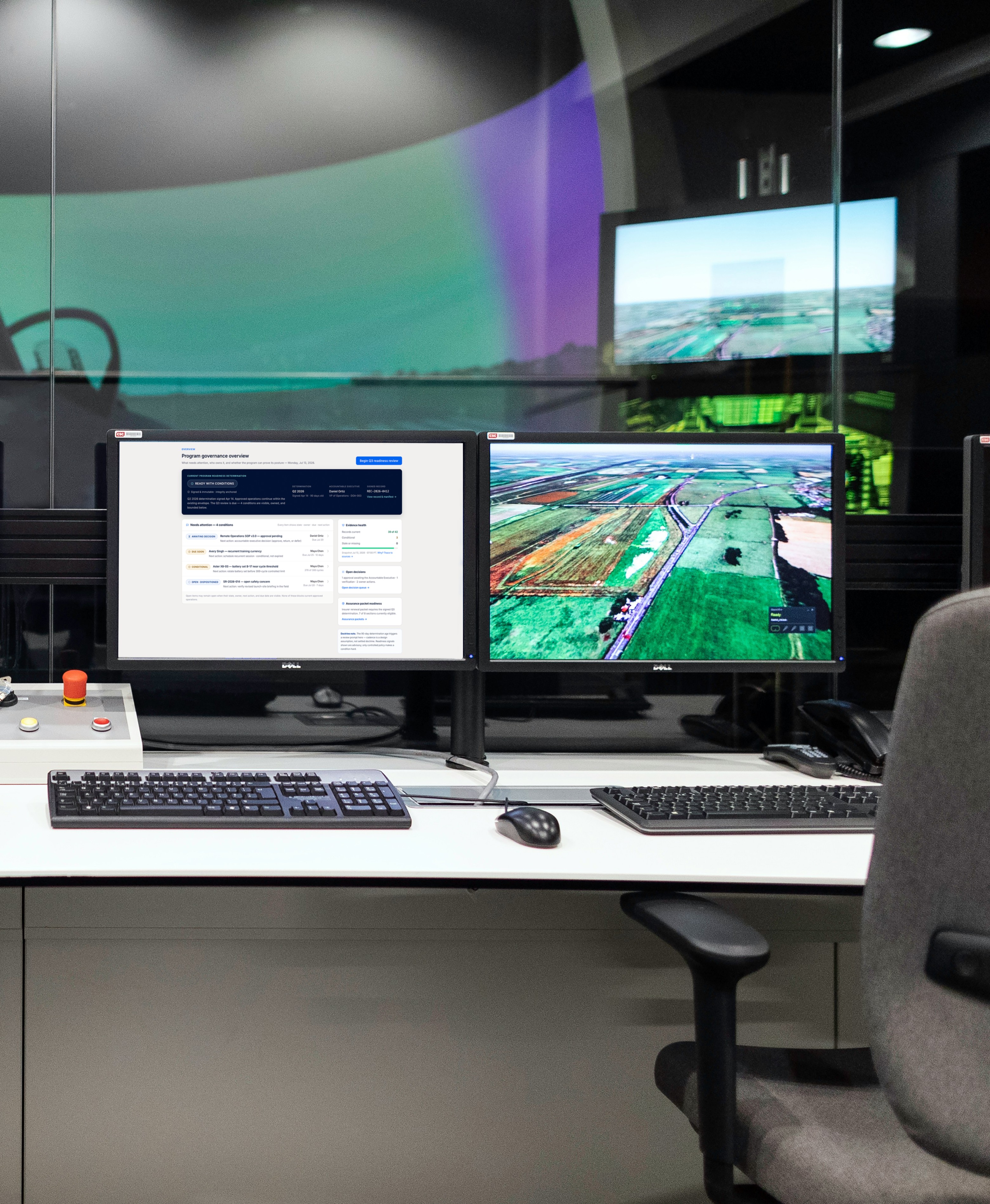
Control room desk with dual monitors showing simulation software and aerial map view

Tell us what you’re building

Building from scratch, improving what you have, or evaluating what’s possible? We will help you identify the next responsible step.

Start a Conversation

Echo Two Home

[ HOW WE WORK ]

The work behind the aircraft

Echo Two helps organizations build drone-enabled operations from the inside out, starting with mission requirements, not hardware.

We begin every engagement with the mission first. That means mapping workflows, governance, training needs, compliance requirements, and data practices before any technology decisions are made. That work turns policy, training, workflows, reporting, and review into a living operating system rather than a static binder.

Aerial view of a cyclist and two pedestrians on an X-shaped path junction

Our role is to help agencies and operators build systems they can use, explain, audit, and improve.

Woman looking up at a hovering drone with open farmland in the background
Aerial view of a cyclist and two pedestrians on an X-shaped path junction

Our role is to help agencies and operators build systems they can use, explain, audit, and improve.

One operating model. Four layers.

Every engagement touches all four layers, because a gap in any one of them is where programs break down.

Technology & Integration

We assess and integrate aircraft, sensors, and mission systems against actual operational requirements so technology decisions are made in context, not in a catalog.

Governance

We build governance into the program design from the start, including policies, approvals, privacy rules, evidence practices, and audit-ready documentation that are operational from day one.

Workflows

We design the staffing models, launch procedures, dispatch coordination, and training rhythms that make operations repeatable and document them so the program does not depend on any one person.

Intelligence

We design data collection, reporting, and decision-support workflows so mission data is useful to supervisors and administrators, not just pilots.

Engagement paths

Most organizations don’t need to start big. Echo Two engagements are designed to begin with a clear, bounded step that shows value before committing to a full program buildout.

Each engagement follows the same arc of understanding the mission, designing the operating model, building the program structure, and supporting responsible implementation.

  • [ PATH 1 – ASSESS ]
    Readiness Assessment

    Typical duration: ~3 weeks

    A focused diagnostic that gives organizations a clear picture of where they stand and what needs to happen before they move forward. We assess the current state across mission, policy, workflows, training, and operational risk in order to identify what is ready, what is missing, and what should happen next.

    Signature outputs:

    • Current-state assessment
    • Readiness findings
    • Recommended next steps
  • [ PATH 2 – ARCHITECT ]
    Program Design Sprint

    Typical duration: ~4–6 weeks

    A design sprint for organizations ready to define the operating model, including the workflows, governance, staffing, and training their program actually requires. We translate mission needs into the structures and documentation the operation requires before implementation begins.

    Signature outputs:

    • Operating model
    • Governance framework
    • Program roadmap
  • [ PATH 3 – ACTIVATE ]
    Launch & Training Support

    Typical duration: 8-16 weeks, scoped to program size and mission complexity

    The engagement for organizations ready to launch, expand, or mature an existing program. We cover implementation, training, and launch readiness, then build in the review structures and pre-launch pressure tests that keep the program improving after it goes live.

    Signature outputs:

    • Launch support plan
    • Training and documentation
    • Improvement backlog

How scope is set

Every organization starts from a different place. Some are evaluating their first drone-enabled operation. Others have aircraft, pilots, and policies in place but need a more accountable operating model.

Scope and investment are set based on mission complexity, program maturity, and implementation requirements. Early conversations are used to identify the smallest responsible starting point.

Scope depends on:

Technology and software environment

Mission complexity

Current program maturity

Procurement and fiscal-year timing

Training needs

Community engagement

Built to reduce operational risk

Echo Two helps organizations avoid common failure points like buying equipment before workflows are clear, launching before policies are ready, training pilots without preparing administrators, or collecting data without a plan for how it will be used.

Our work is designed to keep aircraft, people, policy, data, and decision-making aligned from the beginning.

Whether the mission is emergency response, commercial applications, or field operations, the risks of a poorly structured program are the same. Echo Two’s engagement model is designed to address them before they become operational failures.

[ HOW CONVERSATIONS USUALLY START ]

Every engagement starts with a question the organization is already asking:

What problem are we trying to solve with drone-enabled operations?

What must be in place for the program to be safe and compliant?

Is our current approach defensible?

What should we fix before investing in more equipment or expanding?

Are we ready to launch?

From there, Echo Two helps identify the next responsible step whether that is a readiness assessment, a program design sprint, or launch and training support.

Control room desk with dual monitors showing simulation software and aerial map view

Tell us what you’re building

Building from scratch, improving what you have, or evaluating what’s possible? We will help you identify the next responsible step.

Start a Conversation

[ HOW WE WORK ]

The work behind the aircraft

Echo Two helps organizations build drone-enabled operations from the inside out, starting with mission requirements, not hardware.

We begin every engagement with the mission first. That means mapping workflows, governance, training needs, compliance requirements, and data practices before any technology decisions are made. That work turns policy, training, workflows, reporting, and review into a living operating system rather than a static binder.

Aerial view of a cyclist and two pedestrians on an X-shaped path junction

Our role is to help agencies and operators build systems they can use, explain, audit, and improve.

Woman looking up at a hovering drone with open farmland in the background
Aerial view of a cyclist and two pedestrians on an X-shaped path junction

Our role is to help agencies and operators build systems they can use, explain, audit, and improve.

One operating model. Four layers.

Every engagement touches all four layers, because a gap in any one of them is where programs break down.

Technology & Integration

We assess and integrate aircraft, sensors, and mission systems against actual operational requirements so technology decisions are made in context, not in a catalog.

Governance

We build governance into the program design from the start, including policies, approvals, privacy rules, evidence practices, and audit-ready documentation that are operational from day one.

Workflows

We design the staffing models, launch procedures, dispatch coordination, and training rhythms that make operations repeatable and document them so the program does not depend on any one person.

Intelligence

We design data collection, reporting, and decision-support workflows so mission data is useful to supervisors and administrators, not just pilots.

Engagement paths

Most organizations don’t need to start big. Echo Two engagements are designed to begin with a clear, bounded step that shows value before committing to a full program buildout.

Each engagement follows the same arc of understanding the mission, designing the operating model, building the program structure, and supporting responsible implementation.

  • [ PATH 1 – ASSESS ]
    Readiness Assessment

    Typical duration: ~3 weeks

    A focused diagnostic that gives organizations a clear picture of where they stand and what needs to happen before they move forward. We assess the current state across mission, policy, workflows, training, and operational risk in order to identify what is ready, what is missing, and what should happen next.

    Signature outputs:

    • Current-state assessment
    • Readiness findings
    • Recommended next steps
  • [ PATH 2 – ARCHITECT ]
    Program Design Sprint

    Typical duration: ~4–6 weeks

    A design sprint for organizations ready to define the operating model, including the workflows, governance, staffing, and training their program actually requires. We translate mission needs into the structures and documentation the operation requires before implementation begins.

    Signature outputs:

    • Operating model
    • Governance framework
    • Program roadmap
  • [ PATH 3 – ACTIVATE ]
    Launch & Training Support

    Typical duration: 8-16 weeks, scoped to program size and mission complexity

    The engagement for organizations ready to launch, expand, or mature an existing program. We cover implementation, training, and launch readiness, then build in the review structures and pre-launch pressure tests that keep the program improving after it goes live.

    Signature outputs:

    • Launch support plan
    • Training and documentation
    • Improvement backlog

How scope is set

Every organization starts from a different place. Some are evaluating their first drone-enabled operation. Others have aircraft, pilots, and policies in place but need a more accountable operating model.

Scope and investment are set based on mission complexity, program maturity, and implementation requirements. Early conversations are used to identify the smallest responsible starting point.

Scope depends on:

Technology and software environment

Procurement and fiscal-year timing

Mission complexity

Training needs

Current program maturity

Community engagement

Built to reduce operational risk

Echo Two helps organizations avoid common failure points like buying equipment before workflows are clear, launching before policies are ready, training pilots without preparing administrators, or collecting data without a plan for how it will be used.

Our work is designed to keep aircraft, people, policy, data, and decision-making aligned from the beginning.

Whether the mission is emergency response, commercial applications, or field operations, the risks of a poorly structured program are the same. Echo Two’s engagement model is designed to address them before they become operational failures.

Control room desk with dual monitors showing simulation software and aerial map view

[ HOW CONVERSATIONS USUALLY START ]

Every engagement starts with a question the organization is already asking:

What problem are we trying to solve with drone-enabled operations?

What must be in place for the program to be safe and compliant?

Is our current approach defensible?

What should we fix before investing in more equipment or expanding?

Are we ready to launch?

From there, Echo Two helps identify the next responsible step whether that is a readiness assessment, a program design sprint, or launch and training support.

Tell us what you’re building

Building from scratch, improving what you have, or evaluating what’s possible? We will help you identify the next responsible step.

Start a Conversation