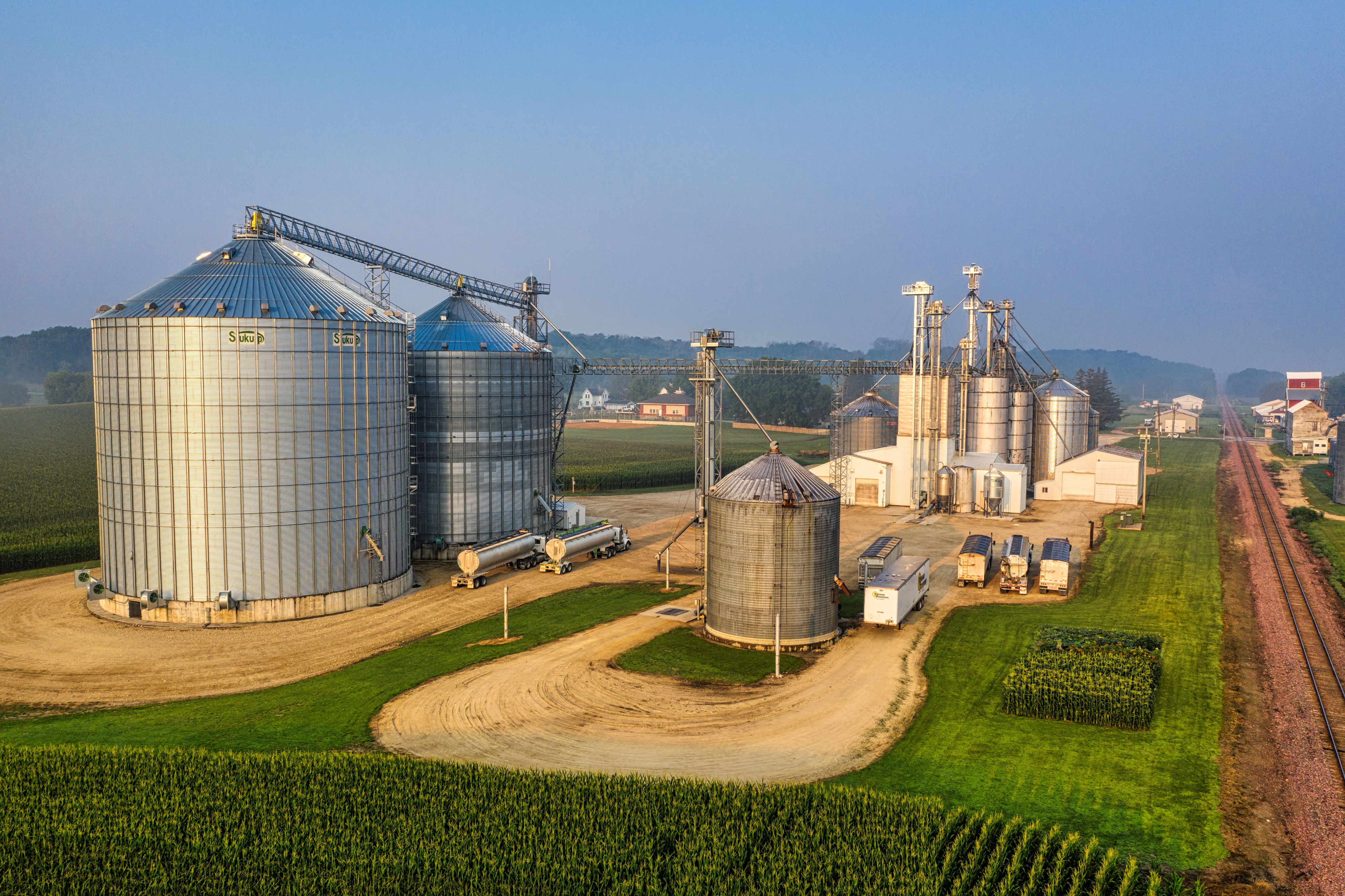
Farms building internal capability
For agricultural businesses deciding what a professional UAS operation should look like inside the organization.


The work behind a field-ready UAS operation starts here
Echo Two agricultural UAS operational readiness training is a twoday, hands-on course at Castle Airport for farms, agricultural service companies, operators, and teams building or strengthening a professional UAS capability.
Apply Now
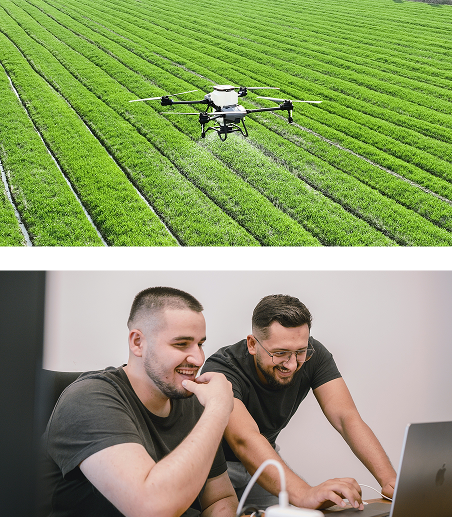

Fall 2026

Castle AirportAtwater, CA

Two days, small cohort classroom and in-person training

English instruction with Spanish language support available
About the course
Over two days, Echo Two connects mission planning, crew coordination, field safety, equipment readiness, maintenance, and documentation through instruction and hands-on field exercises. The objective is not to turn a two-day course into a licensing program.* It is to help teams operate safely, consistently, and professionally.
*Completion does not provide an FAA license or certification, California Department of Pesticide Regulation certification, County Agricultural Commissioner authorization, pesticide applicator qualification, or independent legal authority to conduct commercial pesticide application.
[ WHO IS IT FOR ]
Designed for teams building agricultural UAS capability
For agricultural businesses deciding what a professional UAS operation should look like inside the organization.
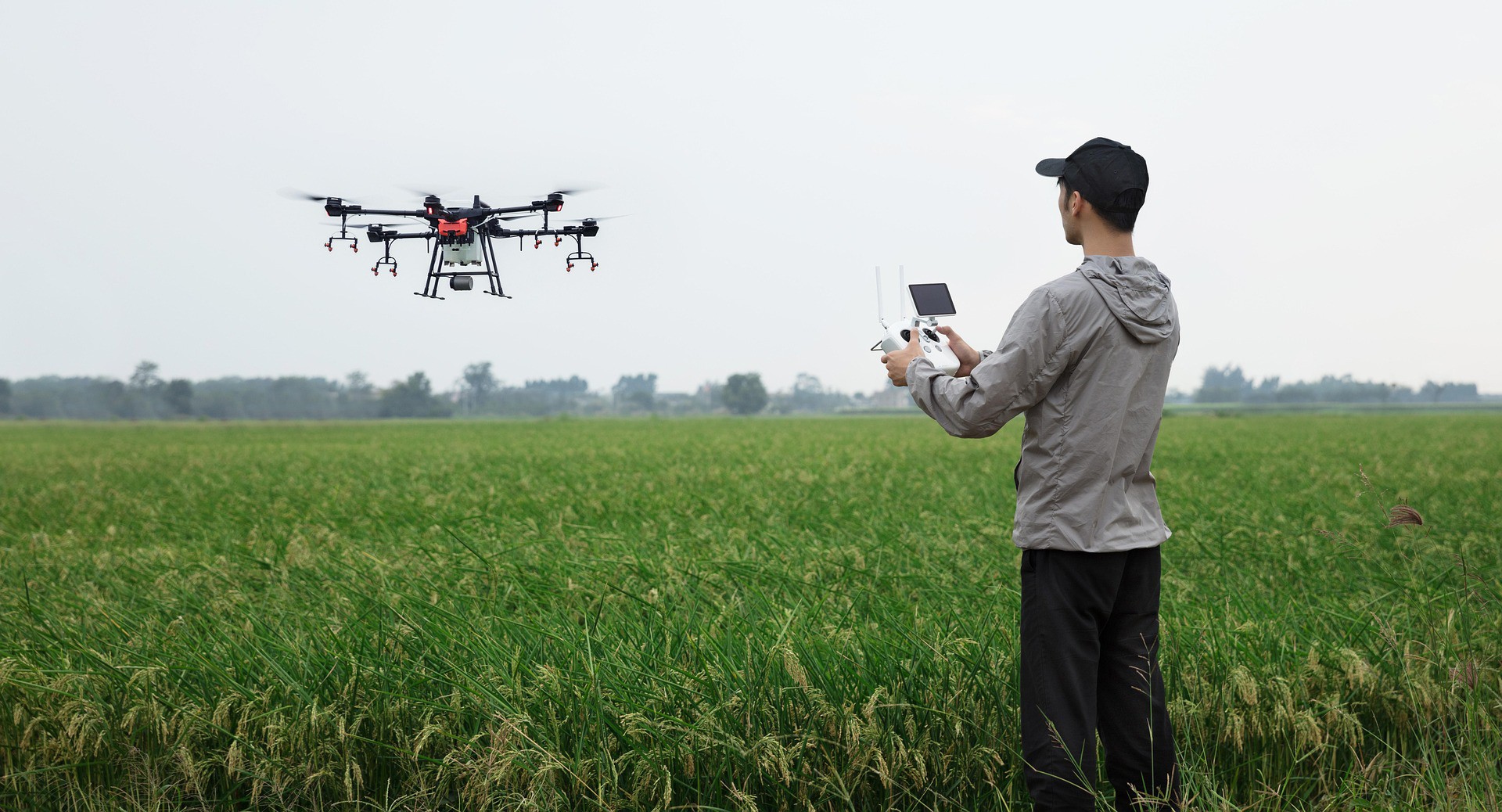
For experienced drone operators who need the field discipline and agricultural context behind the flight.
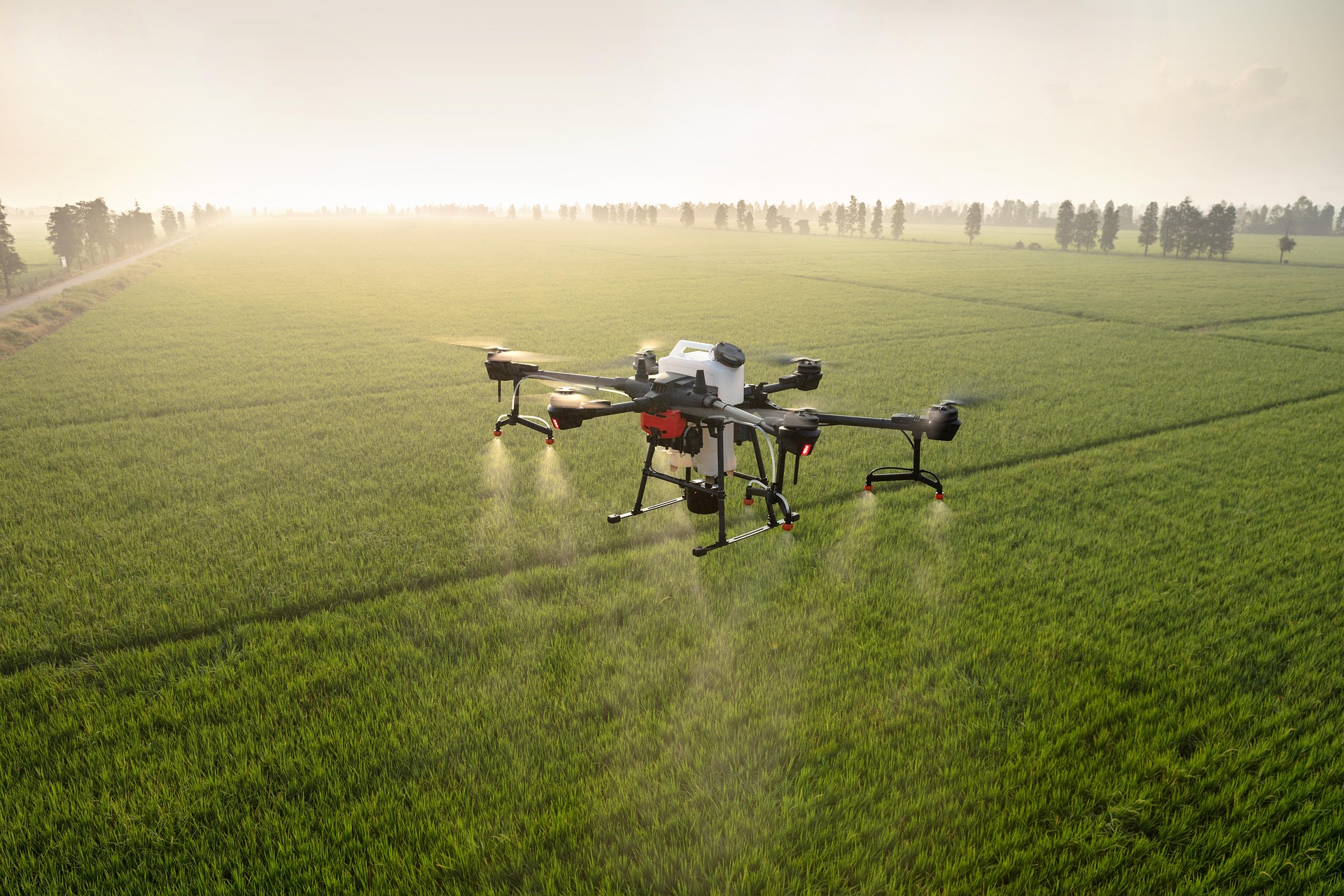
For teams strengthening spray, mapping, scouting, or field-service workflows as the operation grows.

For organizational leaders weighing whether to build an internal program, expand an existing one, or use outside providers more effectively.
Apply Now
[ WHAT YOU WILL LEARN ]
Every part of the course is tied to the decisions, habits, and records that help a field operation hold together.
01
Plan agricultural UAS spray missions
Plan missions around field boundaries, hazards, weather, crew roles, aircraft settings, operating zones, and stop work criteria.
02
Conduct field operations
Practice field setup, crew briefings, preflight and post flight procedures, launch and recovery, communications, and safety.
03
Participate in a water-only spray-drone calibration and evidence lab
Complete a controlled water only spray exercise covering setup, aircraft configuration, crew coordination, perimeter control, mission execution, evidence review, shutdown, and cleanup. Water only is used during training. No live pesticide or chemical application is included.
04
Build maintenance and battery discipline
Practice aircraft inspection, battery management, cleaning, field readiness, and maintenance documentation to reduce downtime and failures.
05
Document the operation
Use mission plans, checklists, configuration records, calibration evidence, logs, field records, and reports to document each operation and identify follow up needs.
06
Build an organizational readiness plan
Turn course lessons into practical next steps for your team, including equipment, training, compliance, procedures, capability gaps, and near term priorities.
[ WHAT YOU WILL GAIN ]
Students who complete the required coursework and demonstrate safe participation will begin building an auditable record of the knowledge, skills, and practices that support ongoing operational readiness.

A complete readiness cycle, from mission planning through post-operation review
Practical checklists, field records, maintenance and battery documentation
A clearer view of capability gaps, equipment needs, training priorities, and next steps
An organizational readiness assessment to take back to your team
Get your agricultural UAS operation ready for the field
Apply Now
The work behind a field-ready UAS operation starts here
Echo Two agricultural UAS operational readiness training is a twoday, hands-on course at Castle Airport for farms, agricultural service companies, operators, and teams building or strengthening a professional UAS capability.
Apply Now
Fall 2026
Castle AirportAtwater, CA
Two days, small cohort classroom and in-person training
English instruction with Spanish language support available
About the course
Over two days, Echo Two connects mission planning, crew coordination, field safety, equipment readiness, maintenance, and documentation through instruction and hands-on field exercises. The objective is not to turn a two-day course into a licensing program.* It is to help teams operate safely, consistently, and professionally.
*Completion does not provide an FAA license or certification, California Department of Pesticide Regulation certification, County Agricultural Commissioner authorization, pesticide applicator qualification, or independent legal authority to conduct commercial pesticide application.
[ WHO IS IT FOR ]
Designed for teams building agricultural UAS capability
For agricultural businesses deciding what a professional UAS operation should look like inside the organization.
For experienced drone operators who need the field discipline and agricultural context behind the flight.
For teams strengthening spray, mapping, scouting, or field-service workflows as the operation grows.
For organizational leaders weighing whether to build an internal program, expand an existing one, or use outside providers more effectively.
Apply Now
[ WHAT YOU WILL LEARN ]
Every part of the course is tied to the decisions, habits, and records that help a field operation hold together.
01
Plan agricultural UAS spray missions
Plan missions around field boundaries, hazards, weather, crew roles, aircraft settings, operating zones, and stop work criteria.
02
Conduct field operations
Practice field setup, crew briefings, preflight and post flight procedures, launch and recovery, communications, and safety.
03
Participate in a water-only spray-drone calibration and evidence lab
Complete a controlled water only spray exercise covering setup, aircraft configuration, crew coordination, perimeter control, mission execution, evidence review, shutdown, and cleanup. Water only is used during training. No live pesticide or chemical application is included.
04
Build maintenance and battery discipline
Practice aircraft inspection, battery management, cleaning, field readiness, and maintenance documentation to reduce downtime and failures.
05
Document the operation
Use mission plans, checklists, configuration records, calibration evidence, logs, field records, and reports to document each operation and identify follow up needs.
06
Build an organizational readiness plan
Turn course lessons into practical next steps for your team, including equipment, training, compliance, procedures, capability gaps, and near term priorities.
[ WHAT YOU WILL GAIN ]
Students who complete the required coursework and demonstrate safe participation will begin building an auditable record of the knowledge, skills, and practices that support ongoing operational readiness.
A complete readiness cycle, from mission planning through post-operation review
Practical checklists, field records, maintenance and battery documentation
A clearer view of capability gaps, equipment needs, training priorities, and next steps
An organizational readiness assessment to take back to your team
Get your agricultural UAS operation ready for the field
Apply Now
The work behind a field-ready UAS operation starts here
Echo Two agricultural UAS operational readiness training is a twoday, hands-on course at Castle Airport for farms, agricultural service companies, operators, and teams building or strengthening a professional UAS capability.
Apply Now
Fall 2026
Castle AirportAtwater, CA
Two days, small cohort classroom and in-person training
English instruction with Spanish language support available
About the course
Over two days, Echo Two connects mission planning, crew coordination, field safety, equipment readiness, maintenance, and documentation through instruction and hands-on field exercises. The objective is not to turn a two-day course into a licensing program.* It is to help teams operate safely, consistently, and professionally.
*Completion does not provide an FAA license or certification, California Department of Pesticide Regulation certification, County Agricultural Commissioner authorization, pesticide applicator qualification, or independent legal authority to conduct commercial pesticide application.
[ WHO IS IT FOR ]
Designed for teams building agricultural UAS capability
For agricultural businesses deciding what a professional UAS operation should look like inside the organization.
For experienced drone operators who need the field discipline and agricultural context behind the flight.
For teams strengthening spray, mapping, scouting, or field-service workflows as the operation grows.
For organizational leaders weighing whether to build an internal program, expand an existing one, or use outside providers more effectively.
Apply Now
[ WHAT YOU WILL LEARN ]
Every part of the course is tied to the decisions, habits, and records that help a field operation hold together.
01
Plan agricultural UAS spray missions
Plan missions around field boundaries, hazards, weather, crew roles, aircraft settings, operating zones, and stop work criteria.
02
Conduct field operations
Practice field setup, crew briefings, preflight and post flight procedures, launch and recovery, communications, and safety.
03
Participate in a water-only spray-drone calibration and evidence lab
Complete a controlled water only spray exercise covering setup, aircraft configuration, crew coordination, perimeter control, mission execution, evidence review, shutdown, and cleanup. Water only is used during training. No live pesticide or chemical application is included.
04
Build maintenance and battery discipline
Practice aircraft inspection, battery management, cleaning, field readiness, and maintenance documentation to reduce downtime and failures.
05
Document the operation
Use mission plans, checklists, configuration records, calibration evidence, logs, field records, and reports to document each operation and identify follow up needs.
06
Build an organizational readiness plan
Turn course lessons into practical next steps for your team, including equipment, training, compliance, procedures, capability gaps, and near term priorities.
[ WHAT YOU WILL GAIN ]
Students who complete the required coursework and demonstrate safe participation will begin building an auditable record of the knowledge, skills, and practices that support ongoing operational readiness.
A complete readiness cycle, from mission planning through post-operation review
Practical checklists, field records, maintenance and battery documentation
A clearer view of capability gaps, equipment needs, training priorities, and next steps
An organizational readiness assessment to take back to your team
Get your agricultural UAS operation ready for the field
Apply Now