
1. PILOT & AIRCRAFT
Make sure the pilot and aircraft can legally fly. Under 55 lb and 55 lb or more follow different FAA paths.


Regulatory & Compliance
[ REGULATORY & COMPLIANCE ]
How FAA, California DPR, and county requirements fit together for agricultural drone spraying in California

Echo Two
October 1, 2026
SHARE:


In this article
The California spray-drone pathway at a glance
What this actually takes
Spraying for other farms for hire?
What to resolve before you buy or operate
Licensing is only one part of operational readiness
Frequently asked questions
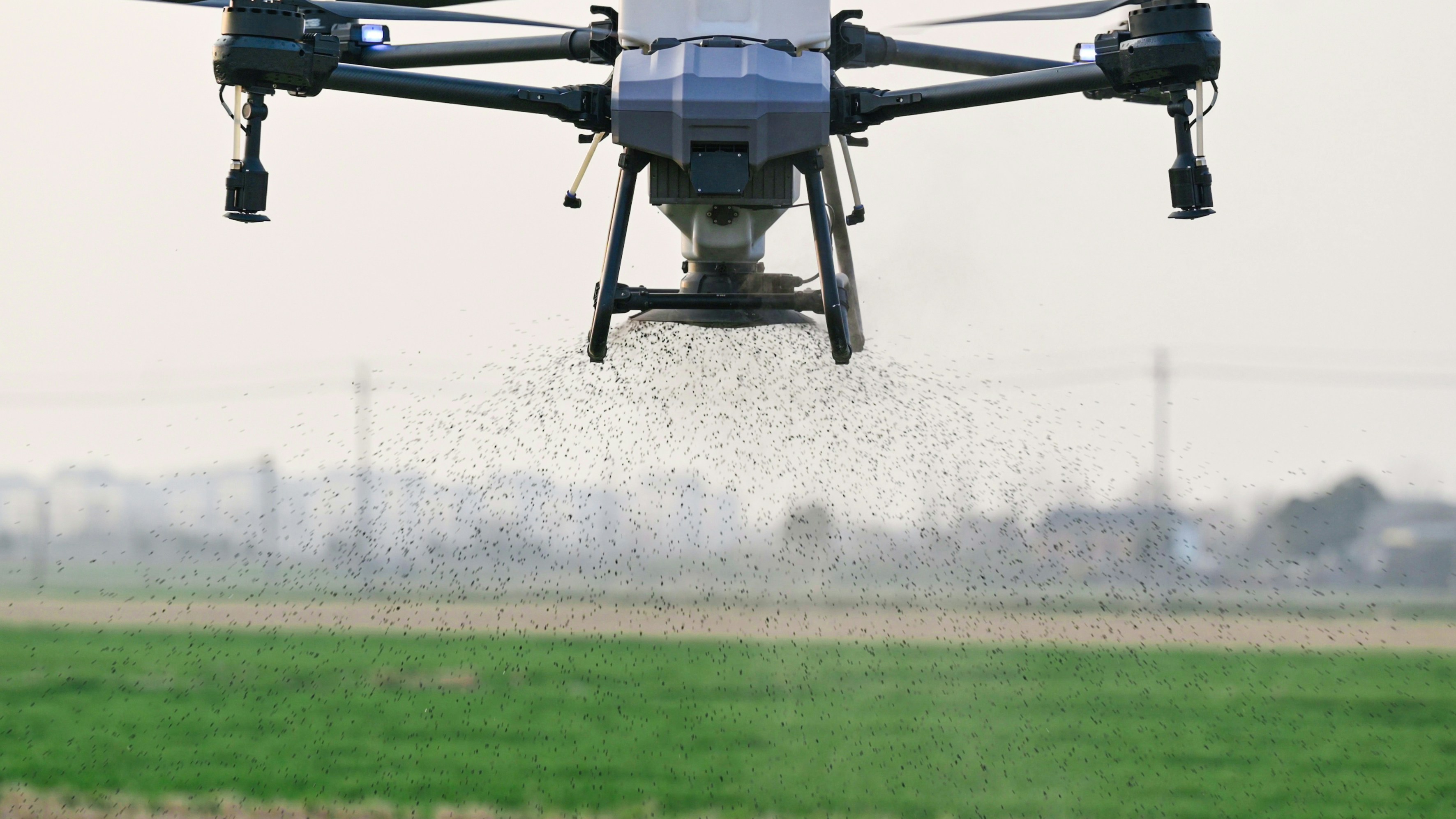
Quick status: Agricultural drone spraying in California involves more than a Part 107 certificate. There is no single “California spray-drone license.”
If you run a farm or agricultural operation, start with four things: the pilot and aircraft, FAA spraying authority, California pesticide-pilot requirements, and the county or specific job. This guide focuses on pesticide application and shows where spraying for other farms adds business requirements.
The California spray-drone pathway at a glance
Make sure the pilot and aircraft can legally fly. Under 55 lb and 55 lb or more follow different FAA paths.

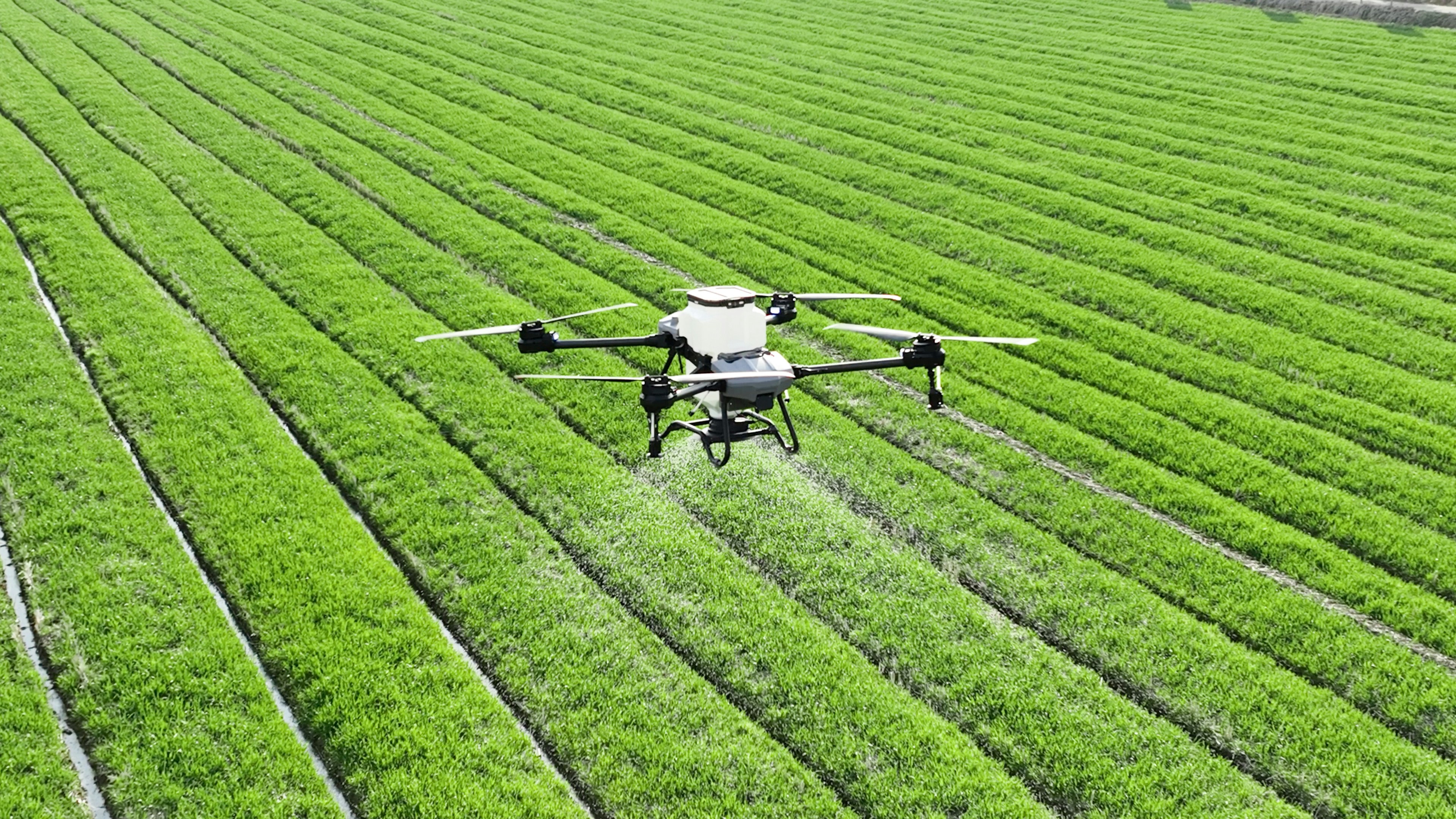
Get the FAA authority required for the spraying operation. Part 107 alone is not enough. Part 137 and applicable approvals matter.

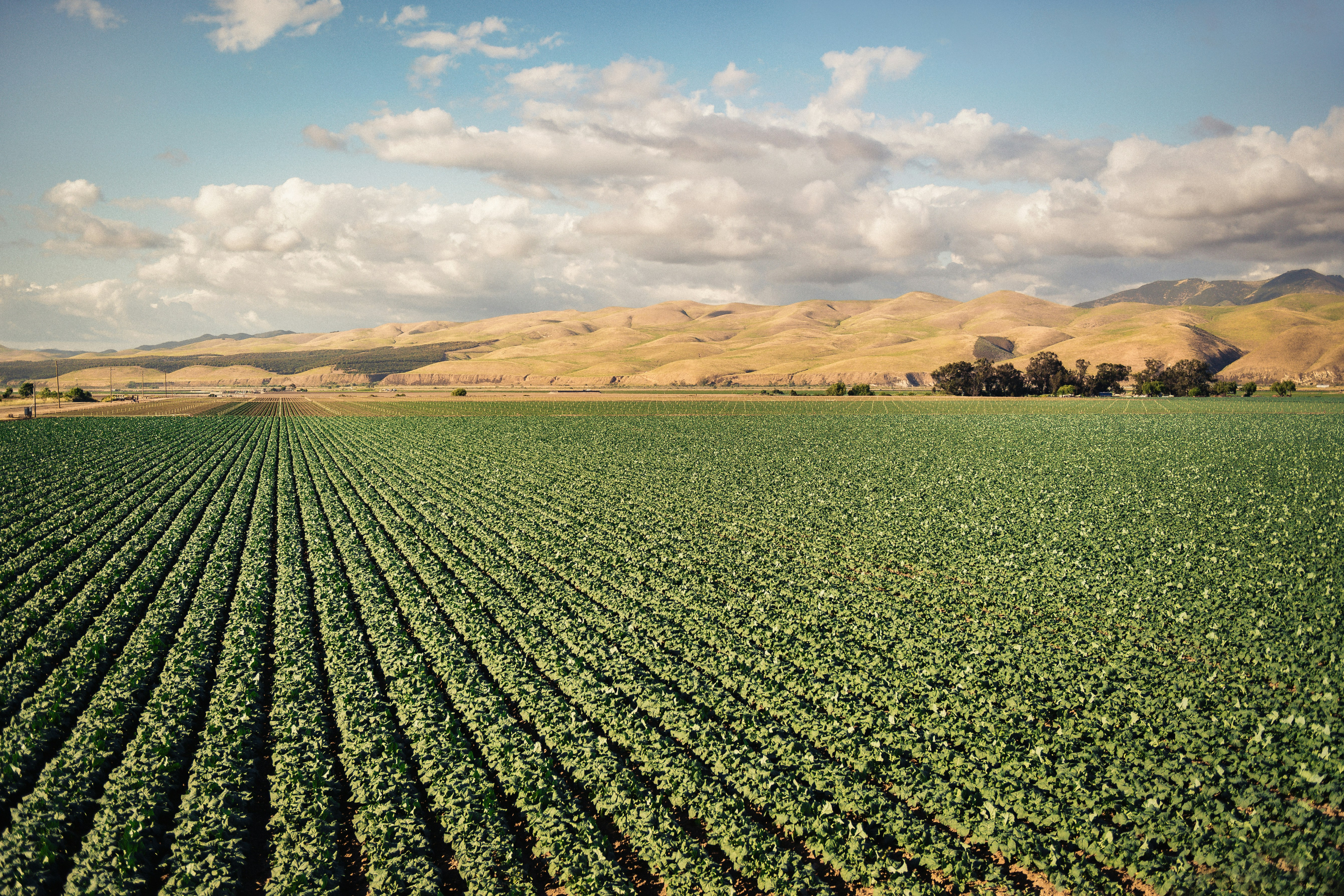
Meet California’s pest-control pilot requirements. The pilot needs the appropriate DPR Pest Control Aircraft Pilot Certificate.
Add pest-control business licensing and qualified-person requirements. This branch is additional to the four steps.

Check the county requirements and the planned application. Confirm registrations, permits, notices, pesticide restrictions, and label conditions.
This is the high-level path, not a universal licensing checklist. Requirements depend on the aircraft, material, pilot, business model, county, and job. Some approvals can be pursued in parallel.
What this actually takes
Build lead time into the decision. The FAA says to file an exemption petition at least 120 days before you need it to take effect. This is a filing requirement, not a promise of approval within 120 days.
DPR’s unmanned-pilot packet calls for at least one year as an Apprentice and 50 supervised pesticide-application hours. Identify a qualified supervisor early, and confirm with DPR which hours qualify and how recent they must be. Some work can run in parallel; these milestones are not a single end-to-end schedule.
1. Start with the pilot and aircraft
Use the aircraft’s weight at takeoff, including batteries, tank contents, and everything carried. A farm’s empty-drone weight does not answer this question.
Confirm pilot qualifications, airspace permission, and operating limits. The FAA’s Part 107 airspace/LAANC page is for small-drone operations; it does not replace a required COA or the conditions of a heavier-aircraft exemption.1
2. Get FAA authority for agricultural spraying
Part 137 covers agricultural aircraft operations, including many pesticide, fertilizer, and other agricultural dispensing activities. First confirm that your proposed material and use fall within its scope.
For covered drone operations, the FAA’s process includes applicable exemptions and an Agricultural Aircraft Operator Certificate (AAOC). This certificate is operating authority; it is separate from the individual pilot’s credential.
Complete the exemption process first. After the FAA grants it and issues an exemption number, apply for the AAOC using Form 8710-3 and that number. Follow the current submission instructions on the FAA page below and the conditions in your exemption, certificate, and required Certificate of Waiver or Authorization (COA).2
3. Meet California pesticide-pilot requirements
California’s Department of Pesticide Regulation (DPR) requires a Pest Control Aircraft Pilot Certificate for drone pest control, including on your own property. A Part 107 certificate does not replace it.
For agricultural pest control, the unmanned pathway includes Apprentice and Journeyman levels. An Apprentice works under direct and personal Journeyman supervision. DPR’s unmanned-pilot packet requires at least one year as an Apprentice and at least 50 hours applying pesticides by UAS under a certified Journeyman’s supervision, plus application, FAA-authority, and examination requirements. Confirm with DPR Licensing which hours qualify and how recent they must be.
DPR also has an Unmanned Vector Control Technician category. That separate public-health pathway is outside this farm-spraying guide.
Already hold a California manned Pest Control Aircraft Pilot Certificate? DPR says that credential can also cover UAS pest control; a separate unmanned certificate is not automatically required.3
Private-applicator drone pathway still in development
California law creates a private-applicator unmanned pilot pathway, but DPR’s licensing compendium says implementing regulations must be adopted before the change takes effect. Do not treat it as an available shortcut. Confirm the current status directly with DPR before relying on it.4
4. Check the county and the actual job
Before conducting pest control, register the pilot certificate with the County Agricultural Commissioner in each county where the pilot will work. Then confirm the requirements for the field, pesticide, application method, and operating conditions.
For agricultural applications requiring a restricted-material permit, a Notice of Intent generally goes to the county through CalAgPermits. DPR specifies at least 48 hours’ advance notice for soil fumigants and 24 hours for other pesticides requiring an agricultural-use permit. Exceptions and county conditions matter; these timelines do not mean a product may be applied by drone.5
Spraying for other farms for hire?
A business offering pesticide application services generally needs a DPR Pest Control Business License. The business must meet financial-responsibility requirements and have a supervisor with an appropriately categorized Qualified Applicator License (QAL) at each principal and branch location.
An aerial pest-control business also needs a valid Journeyman Pest Control Aircraft Pilot and the applicable FAA agricultural operating certificate. Register the business license in each county where it will perform pest control.
These credentials serve different purposes. The business license, QAL, pilot certificate, and FAA operating authority do not replace one another. Work for a neighbor or through a farm-management company can raise business-licensing questions even when the arrangement feels informal; confirm the classification with DPR.6
What to resolve before you buy or operate
Licensing is only one part of operational readiness
Meeting regulatory requirements establishes what an operator is authorized to do. A safe, repeatable field operation also depends on mission planning, crew roles, aircraft setup, checklists, maintenance, documentation, and debrief.
Echo Two’s agricultural UAS training at Castle Airport develops those disciplines through classroom instruction and field exercises, including a water-only spray-drone workflow. It does not provide FAA or DPR certification, county authorization, pesticide applicator qualification, or independent authority to conduct commercial pesticide application.
Frequently asked questions
Is Part 107 enough to spray pesticides by drone?
No. Part 107 alone does not authorize an agricultural spraying operation. FAA agricultural operating requirements, California pesticide requirements, and the conditions of the actual job also apply.
Does spraying only my own farm remove the licensing requirements?
No. Farm ownership does not replace the required pilot, aircraft, agricultural operating, or pesticide authority. Confirm the requirements for your pilot, material, and county before operating.
Can our agency fly BVLOS today, before Part 108 is finalized?
No. California requires an Apprentice Pest Control Aircraft Pilot to work under the direct and personal supervision of a Journeyman Pilot.
Does every spray-drone pilot need a separate QAC or QAL?
There is no universal extra-certificate sequence. A Qualified Applicator Certificate (QAC), Qualified Applicator License (QAL), or Private Applicator Certificate depends on the person’s role and pesticide use. Confirm the applicable credential with DPR and the county.
Does Echo Two’s course authorize pesticide application?
Usually not if the agency is consuming an automated data service from another provider. But the proposal also covers automated data services that are self-provided, so an agency or integrated operator that provides such a service could have direct Part 146 obligations.
Official sources
Disclaimer
This guide provides general information, not legal advice or operating authorization. The FAA, California DPR, the County Agricultural Commissioner, for the requirements for the particular pesticide and operation control.Use the official links in official sources below to check current requirements. Fees, forms, submission procedures, exemptions, and county conditions can change. Confirm them before committing to an aircraft or scheduling an application.
Explore more
Tell us what you’re building
Building from scratch, improving what you have, or evaluating what’s possible? We will help you identify the next responsible step.
Start a Conversation
Regulatory & Compliance
[ REGULATORY & COMPLIANCE ]
How FAA, California DPR, and county requirements fit together for agricultural drone spraying in California

Echo Two
October 1, 2026
SHARE:
In this article
The California spray-drone pathway at a glance
What this actually takes
Spraying for other farms for hire?
What to resolve before you buy or operate
Licensing is only one part of operational readiness
Frequently asked questions
Quick status: Agricultural drone spraying in California involves more than a Part 107 certificate. There is no single “California spray-drone license.”
If you run a farm or agricultural operation, start with four things: the pilot and aircraft, FAA spraying authority, California pesticide-pilot requirements, and the county or specific job. This guide focuses on pesticide application and shows where spraying for other farms adds business requirements.
The California spray-drone pathway at a glance
Make sure the pilot and aircraft can legally fly. Under 55 lb and 55 lb or more follow different FAA paths.
Get the FAA authority required for the spraying operation. Part 107 alone is not enough. Part 137 and applicable approvals matter.
Meet California’s pest-control pilot requirements. The pilot needs the appropriate DPR Pest Control Aircraft Pilot Certificate.

Add pest-control business licensing and qualified-person requirements. This branch is additional to the four steps.
Check the county requirements and the planned application. Confirm registrations, permits, notices, pesticide restrictions, and label conditions.
This is the high-level path, not a universal licensing checklist. Requirements depend on the aircraft, material, pilot, business model, county, and job. Some approvals can be pursued in parallel.
What this actually takes
Build lead time into the decision. The FAA says to file an exemption petition at least 120 days before you need it to take effect. This is a filing requirement, not a promise of approval within 120 days.
DPR’s unmanned-pilot packet calls for at least one year as an Apprentice and 50 supervised pesticide-application hours. Identify a qualified supervisor early, and confirm with DPR which hours qualify and how recent they must be. Some work can run in parallel; these milestones are not a single end-to-end schedule.
1. Start with the pilot and aircraft
Use the aircraft’s weight at takeoff, including batteries, tank contents, and everything carried. A farm’s empty-drone weight does not answer this question.
Confirm pilot qualifications, airspace permission, and operating limits. The FAA’s Part 107 airspace/LAANC page is for small-drone operations; it does not replace a required COA or the conditions of a heavier-aircraft exemption.1
2. Get FAA authority for agricultural spraying
Part 137 covers agricultural aircraft operations, including many pesticide, fertilizer, and other agricultural dispensing activities. First confirm that your proposed material and use fall within its scope.
For covered drone operations, the FAA’s process includes applicable exemptions and an Agricultural Aircraft Operator Certificate (AAOC). This certificate is operating authority; it is separate from the individual pilot’s credential.
Complete the exemption process first. After the FAA grants it and issues an exemption number, apply for the AAOC using Form 8710-3 and that number. Follow the current submission instructions on the FAA page below and the conditions in your exemption, certificate, and required Certificate of Waiver or Authorization (COA).2
3. Meet California pesticide-pilot requirements
California’s Department of Pesticide Regulation (DPR) requires a Pest Control Aircraft Pilot Certificate for drone pest control, including on your own property. A Part 107 certificate does not replace it.
For agricultural pest control, the unmanned pathway includes Apprentice and Journeyman levels. An Apprentice works under direct and personal Journeyman supervision. DPR’s unmanned-pilot packet requires at least one year as an Apprentice and at least 50 hours applying pesticides by UAS under a certified Journeyman’s supervision, plus application, FAA-authority, and examination requirements. Confirm with DPR Licensing which hours qualify and how recent they must be.
DPR also has an Unmanned Vector Control Technician category. That separate public-health pathway is outside this farm-spraying guide.
Already hold a California manned Pest Control Aircraft Pilot Certificate? DPR says that credential can also cover UAS pest control; a separate unmanned certificate is not automatically required.3
Private-applicator drone pathway still in development
California law creates a private-applicator unmanned pilot pathway, but DPR’s licensing compendium says implementing regulations must be adopted before the change takes effect. Do not treat it as an available shortcut. Confirm the current status directly with DPR before relying on it.4
4. Check the county and the actual job
Before conducting pest control, register the pilot certificate with the County Agricultural Commissioner in each county where the pilot will work. Then confirm the requirements for the field, pesticide, application method, and operating conditions.
For agricultural applications requiring a restricted-material permit, a Notice of Intent generally goes to the county through CalAgPermits. DPR specifies at least 48 hours’ advance notice for soil fumigants and 24 hours for other pesticides requiring an agricultural-use permit. Exceptions and county conditions matter; these timelines do not mean a product may be applied by drone.5
Spraying for other farms for hire?
A business offering pesticide application services generally needs a DPR Pest Control Business License. The business must meet financial-responsibility requirements and have a supervisor with an appropriately categorized Qualified Applicator License (QAL) at each principal and branch location.
An aerial pest-control business also needs a valid Journeyman Pest Control Aircraft Pilot and the applicable FAA agricultural operating certificate. Register the business license in each county where it will perform pest control.
These credentials serve different purposes. The business license, QAL, pilot certificate, and FAA operating authority do not replace one another. Work for a neighbor or through a farm-management company can raise business-licensing questions even when the arrangement feels informal; confirm the classification with DPR.6
What to resolve before you buy or operate
Licensing is only one part of operational readiness
Meeting regulatory requirements establishes what an operator is authorized to do. A safe, repeatable field operation also depends on mission planning, crew roles, aircraft setup, checklists, maintenance, documentation, and debrief.
Echo Two’s agricultural UAS training at Castle Airport develops those disciplines through classroom instruction and field exercises, including a water-only spray-drone workflow. It does not provide FAA or DPR certification, county authorization, pesticide applicator qualification, or independent authority to conduct commercial pesticide application.
Frequently asked questions
Is Part 107 enough to spray pesticides by drone?
No. Part 107 alone does not authorize an agricultural spraying operation. FAA agricultural operating requirements, California pesticide requirements, and the conditions of the actual job also apply.
Does spraying only my own farm remove the licensing requirements?
No. Farm ownership does not replace the required pilot, aircraft, agricultural operating, or pesticide authority. Confirm the requirements for your pilot, material, and county before operating.
Can an Apprentice Pilot spray without supervision?
No. California requires an Apprentice Pest Control Aircraft Pilot to work under the direct and personal supervision of a Journeyman Pilot.
Does every spray-drone pilot need a separate QAC or QAL?
There is no universal extra-certificate sequence. A Qualified Applicator Certificate (QAC), Qualified Applicator License (QAL), or Private Applicator Certificate depends on the person’s role and pesticide use. Confirm the applicable credential with DPR and the county.
Does Echo Two’s course authorize pesticide application?
No. The course develops operational readiness. Completion does not provide FAA or DPR certification, county authorization, pesticide applicator qualification, or independent authority to conduct commercial pesticide application.
Official sources
Disclaimer
This guide provides general information, not legal advice or operating authorization. The FAA, California DPR, the County Agricultural Commissioner, for the requirements for the particular pesticide and operation control.
Use the official links in official sources below to check current requirements. Fees, forms, submission procedures, exemptions, and county conditions can change. Confirm them before committing to an aircraft or scheduling an application.
Explore more
Tell us what you’re building
Building from scratch, improving what you have, or evaluating what’s possible? We will help you identify the next responsible step.
Start a Conversation
Regulatory & Compliance
[ REGULATORY & COMPLIANCE ]
How FAA, California DPR, and county requirements fit together for agricultural drone spraying in California
Echo Two
October 1, 2026
SHARE:


In this article
The California spray-drone pathway at a glance
What this actually takes
Spraying for other farms for hire?
What to resolve before you buy or operate
Licensing is only one part of operational readiness
Frequently asked questions
Quick status: Agricultural drone spraying in California involves more than a Part 107 certificate. There is no single “California spray-drone license.”
If you run a farm or agricultural operation, start with four things: the pilot and aircraft, FAA spraying authority, California pesticide-pilot requirements, and the county or specific job. This guide focuses on pesticide application and shows where spraying for other farms adds business requirements.
The California spray-drone pathway at a glance
Make sure the pilot and aircraft can legally fly. Under 55 lb and 55 lb or more follow different FAA paths.

Get the FAA authority required for the spraying operation. Part 107 alone is not enough. Part 137 and applicable approvals matter.

Meet California’s pest-control pilot requirements. The pilot needs the appropriate DPR Pest Control Aircraft Pilot Certificate.

Add pest-control business licensing and qualified-person requirements. This branch is additional to the four steps.

Check the county requirements and the planned application. Confirm registrations, permits, notices, pesticide restrictions, and label conditions.
This is the high-level path, not a universal licensing checklist. Requirements depend on the aircraft, material, pilot, business model, county, and job. Some approvals can be pursued in parallel.
What this actually takes
Build lead time into the decision. The FAA says to file an exemption petition at least 120 days before you need it to take effect. This is a filing requirement, not a promise of approval within 120 days.
DPR’s unmanned-pilot packet calls for at least one year as an Apprentice and 50 supervised pesticide-application hours. Identify a qualified supervisor early, and confirm with DPR which hours qualify and how recent they must be. Some work can run in parallel; these milestones are not a single end-to-end schedule.
1. Start with the pilot and aircraft
Use the aircraft’s weight at takeoff, including batteries, tank contents, and everything carried. A farm’s empty-drone weight does not answer this question.
Confirm pilot qualifications, airspace permission, and operating limits. The FAA’s Part 107 airspace/LAANC page is for small-drone operations; it does not replace a required COA or the conditions of a heavier-aircraft exemption.1
2. Get FAA authority for agricultural spraying
Part 137 covers agricultural aircraft operations, including many pesticide, fertilizer, and other agricultural dispensing activities. First confirm that your proposed material and use fall within its scope.
For covered drone operations, the FAA’s process includes applicable exemptions and an Agricultural Aircraft Operator Certificate (AAOC). This certificate is operating authority; it is separate from the individual pilot’s credential.
Complete the exemption process first. After the FAA grants it and issues an exemption number, apply for the AAOC using Form 8710-3 and that number. Follow the current submission instructions on the FAA page below and the conditions in your exemption, certificate, and required Certificate of Waiver or Authorization (COA).2
3. Meet California pesticide-pilot requirements
California’s Department of Pesticide Regulation (DPR) requires a Pest Control Aircraft Pilot Certificate for drone pest control, including on your own property. A Part 107 certificate does not replace it.
For agricultural pest control, the unmanned pathway includes Apprentice and Journeyman levels. An Apprentice works under direct and personal Journeyman supervision. DPR’s unmanned-pilot packet requires at least one year as an Apprentice and at least 50 hours applying pesticides by UAS under a certified Journeyman’s supervision, plus application, FAA-authority, and examination requirements. Confirm with DPR Licensing which hours qualify and how recent they must be.
DPR also has an Unmanned Vector Control Technician category. That separate public-health pathway is outside this farm-spraying guide.
Already hold a California manned Pest Control Aircraft Pilot Certificate? DPR says that credential can also cover UAS pest control; a separate unmanned certificate is not automatically required.3
Private-applicator drone pathway still in development
California law creates a private-applicator unmanned pilot pathway, but DPR’s licensing compendium says implementing regulations must be adopted before the change takes effect. Do not treat it as an available shortcut. Confirm the current status directly with DPR before relying on it.4
4. Check the county and the actual job
Before conducting pest control, register the pilot certificate with the County Agricultural Commissioner in each county where the pilot will work. Then confirm the requirements for the field, pesticide, application method, and operating conditions.
For agricultural applications requiring a restricted-material permit, a Notice of Intent generally goes to the county through CalAgPermits. DPR specifies at least 48 hours’ advance notice for soil fumigants and 24 hours for other pesticides requiring an agricultural-use permit. Exceptions and county conditions matter; these timelines do not mean a product may be applied by drone.5
Spraying for other farms for hire?
A business offering pesticide application services generally needs a DPR Pest Control Business License. The business must meet financial-responsibility requirements and have a supervisor with an appropriately categorized Qualified Applicator License (QAL) at each principal and branch location.
An aerial pest-control business also needs a valid Journeyman Pest Control Aircraft Pilot and the applicable FAA agricultural operating certificate. Register the business license in each county where it will perform pest control.
These credentials serve different purposes. The business license, QAL, pilot certificate, and FAA operating authority do not replace one another. Work for a neighbor or through a farm-management company can raise business-licensing questions even when the arrangement feels informal; confirm the classification with DPR.6
What to resolve before you buy or operate
Licensing is only one part of operational readiness
Meeting regulatory requirements establishes what an operator is authorized to do. A safe, repeatable field operation also depends on mission planning, crew roles, aircraft setup, checklists, maintenance, documentation, and debrief.
Echo Two’s agricultural UAS training at Castle Airport develops those disciplines through classroom instruction and field exercises, including a water-only spray-drone workflow. It does not provide FAA or DPR certification, county authorization, pesticide applicator qualification, or independent authority to conduct commercial pesticide application.
Frequently asked questions
Is Part 107 enough to spray pesticides by drone?
No. Part 107 alone does not authorize an agricultural spraying operation. FAA agricultural operating requirements, California pesticide requirements, and the conditions of the actual job also apply.
Does spraying only my own farm remove the licensing requirements?
No. Farm ownership does not replace the required pilot, aircraft, agricultural operating, or pesticide authority. Confirm the requirements for your pilot, material, and county before operating.
Can an Apprentice Pilot spray without supervision?
No. California requires an Apprentice Pest Control Aircraft Pilot to work under the direct and personal supervision of a Journeyman Pilot.
Does every spray-drone pilot need a separate QAC or QAL?
There is no universal extra-certificate sequence. A Qualified Applicator Certificate (QAC), Qualified Applicator License (QAL), or Private Applicator Certificate depends on the person’s role and pesticide use. Confirm the applicable credential with DPR and the county.
Does Echo Two’s course authorize pesticide application?
No. The course develops operational readiness. Completion does not provide FAA or DPR certification, county authorization, pesticide applicator qualification, or independent authority to conduct commercial pesticide application.
Official sources
Disclaimer
This guide provides general information, not legal advice or operating authorization. The FAA, California DPR, the County Agricultural Commissioner, for the requirements for the particular pesticide and operation control.
Use the official links in official sources below to check current requirements. Fees, forms, submission procedures, exemptions, and county conditions can change. Confirm them before committing to an aircraft or scheduling an application.
Explore more
Tell us what you’re building
Building from scratch, improving what you have, or evaluating what’s possible? We will help you identify the next responsible step.
Start a Conversation